
Do Resistance Bands Need a "Made in China" Label? Country of Origin Marking for Importers
Published 2026-10-14 · Last Updated: 2026-10-14 · 13 min read · Import & Compliance
Quick answer: yes. Every resistance band imported into the US must tell the end buyer, in English, that it was made in China, under 19 U.S.C. 1304. The mark can sit on the sealed retail box or bag instead of the band when that pack reaches the buyer unopened (19 CFR 134.32(d)). CBP has already applied this to resistance bands in ruling N057998. Bands sold loose, given away, or carrying a US address on the band need the mark on the band or a firmly attached tag. "Made in PRC" is not accepted. Getting it wrong costs a 10% marking duty that can't be waived.
Key takeaways
- The buyer decides where the mark goes. CBP asks who the "ultimate purchaser" is (19 CFR 134.1(d)), and the mark has to reach that person.
- Box marking works only if the box stays closed until the end buyer. Peg-hook singles, gym loose stock and promo giveaways break that chain.
- Repacking in a US warehouse needs paperwork: the 19 CFR 134.26 certificate, as CBP required for bulk resistance bands in N057998.
- "Made in PRC" fails. "Made in China" or "Made in P.R. China" passes (NY N262161).
- Unmarked = 10% extra duty on entered value under 1304(i): $2,700 on a 20,000-set order at $1.35 FOB.
- A US address on the band pulls "Made in China" onto the band, in comparable size (19 CFR 134.46).
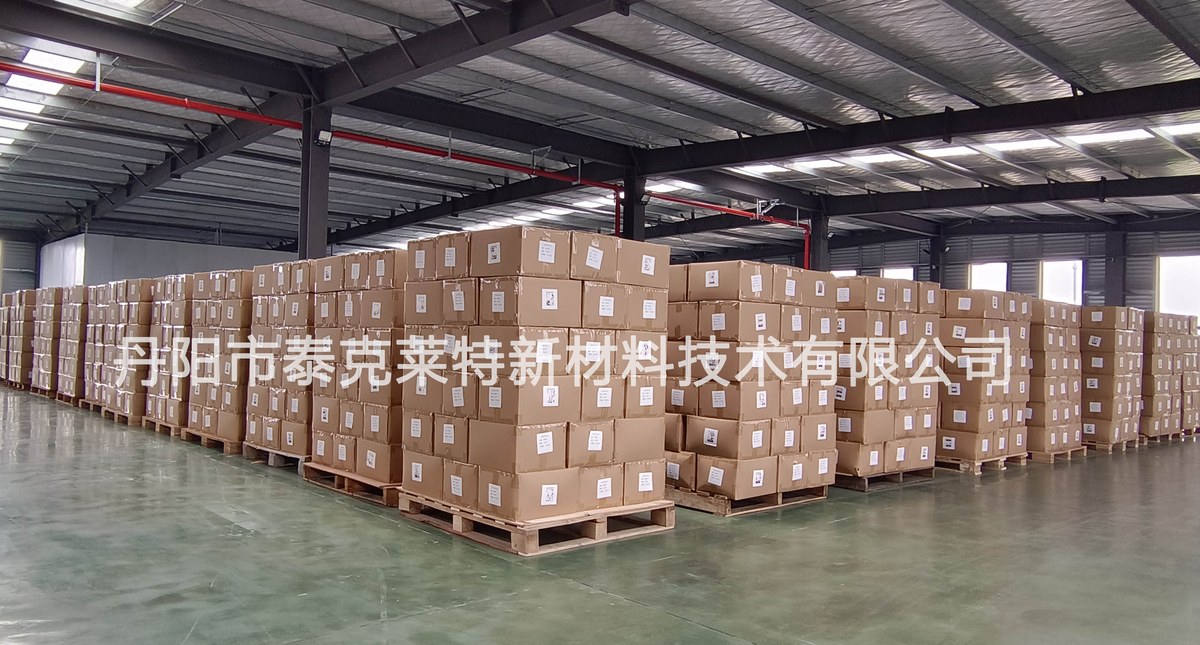
We make TPE resistance bands in Danyang, Jiangsu, and most of what leaves our six extrusion lines carries somebody else's brand. That means we see the artwork files before anyone else does, and the same problem comes up again and again. A buyer sends a beautiful pouch design with a Texas address, a website and a QR code, and nothing that says where the bands were made. Or the plan is to ship bulk bands to a 3PL and pack them into kits there, and nobody has told the customs broker.
Origin marking is cheap to get right at the artwork stage and expensive to fix at the port. This guide covers the rule, what CBP has actually ruled on bands and similar fitness products, and a checklist you can paste into your next PO. It is a manufacturer's summary of public rulings, not legal advice. For anything unusual, ask your licensed customs broker or request your own binding ruling from CBP.
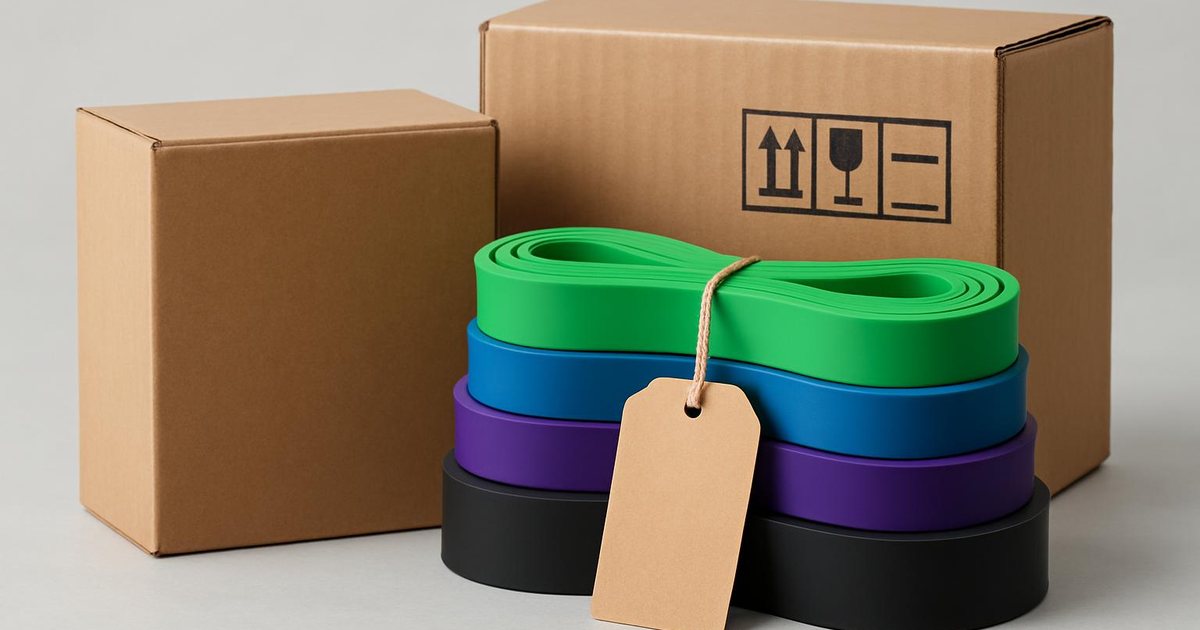
The Rule in One Paragraph
Section 304 of the Tariff Act of 1930 (19 U.S.C. 1304) says every article of foreign origin, or its container, must be marked "in a conspicuous place as legibly, indelibly, and permanently as the nature of the article (or container) will permit" with the English name of the country of origin, so that the ultimate purchaser in the United States can see it. The detail lives in 19 CFR Part 134. Four definitions do most of the work for resistance bands:
- Ultimate purchaser (134.1(d)): generally the last person in the US who receives the article in the form in which it was imported. If it's sold at retail, that's the shopper. If it's given away, it's the recipient.
- Conspicuous (134.41(b)): the buyer must be able to "find the marking easily and read it without strain."
- Permanent enough (134.41(b), 134.44): it must survive "normal distribution and store handling" and stay on until the end buyer gets it, unless someone removes it on purpose. It does not have to last the life of the band.
- Full English name (134.45): "China", not "PRC" and not Chinese characters.
Resistance bands are not on the special list in 19 CFR 134.43 that dictates a marking method (die-stamping, etching and so on). That list covers knives, scissors, vacuum flasks and similar articles. For bands, any method that is conspicuous and stays on until the buyer has it is acceptable, which gives you real choices.
Band, Pouch or Carton: Where the Mark Has to Go
The question is never "do I mark?" but "what does the end buyer actually receive?" Here is how that plays out across the channels our customers sell through.
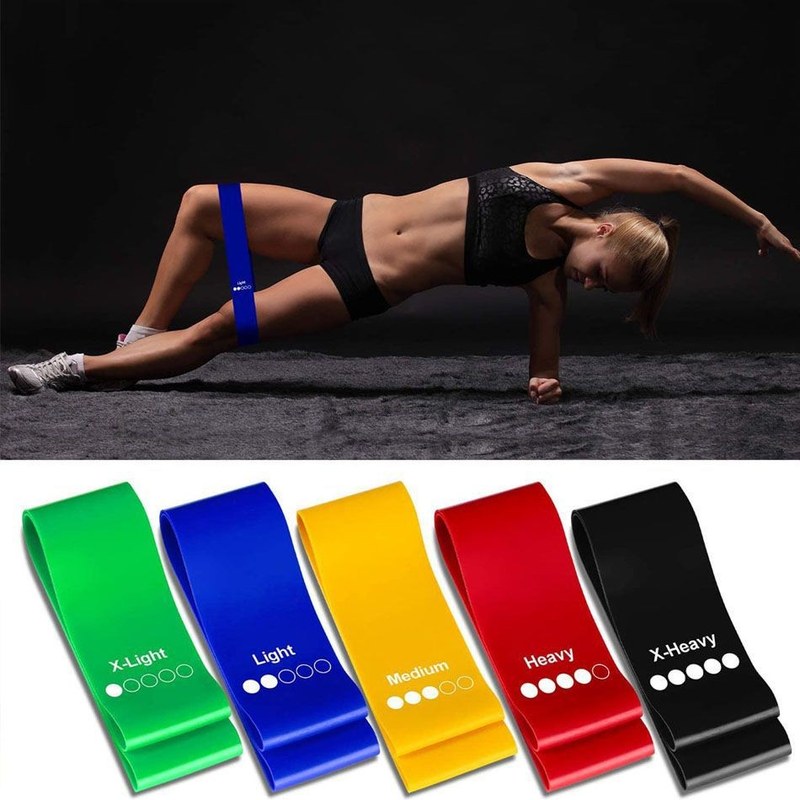
| How the bands are sold | Who is the ultimate purchaser | Minimum marking that works | Risk level |
|---|---|---|---|
| Sealed retail box or printed bag (Amazon, retail shelf, DTC) | The shopper | "Made in China" on the retail pack, conspicuous, plus on the export carton | Low |
| Bulk bands to a US 3PL, packed into kits after import | The shopper who buys the kit | Marked export cartons + 19 CFR 134.26 repacking certificate + "Made in China" on the kit box (N057998) | Medium: paperwork often missed |
| Single bands on a peg hook or in an open display bin | The shopper | Mark on each band, or a securely attached hang tag or header card | High if only the shipper carton is marked |
| Gym, clinic or school buying loose bands in bulk | Usually the facility that receives them | Marked carton or inner bag that the facility opens; mark on the band if a distributor splits cartons | Low to medium |
| Promotional or corporate giveaway bands | The person who receives the gift (134.1(d)(4)) | Mark on the band or on its individual polybag; the master carton isn't seen by recipients | High: most often overlooked |
| Band printed with a US city, state or "USA" | The shopper | "Made in China" on the band itself, near the US reference, comparable size (134.46) | High: box marking alone fails |
Two practical notes from the factory side. First, the export carton should always say "Made in China", whatever happens downstream. It's what the CBP officer sees first at exam, and our resistance band QC inspection checklist already lists it among carton marks to check before loading. Second, the channel can change after the PO is placed. A batch packed for Amazon in sealed boxes is fine; the same batch split by a distributor and sold singly in a gym pro-shop isn't. If you aren't sure where the bands will end up, mark the band or its individual bag.
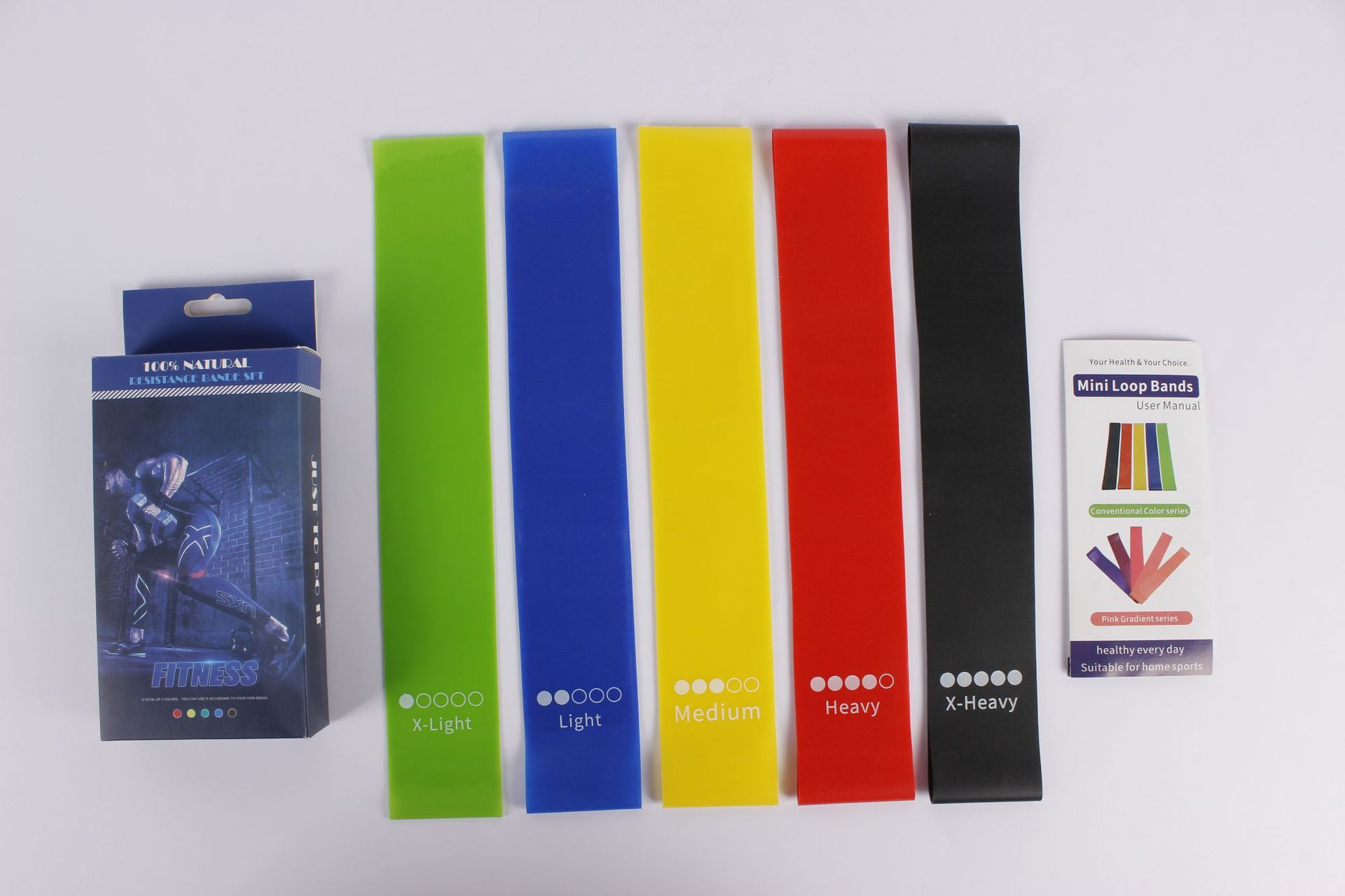

What CBP Has Already Ruled on Bands and Fitness Gear
You don't have to guess. CBP's rulings database (CROSS) has decisions on resistance bands and on close cousins like grip trainers and yoga mats. A ruling binds only the company that asked for it and the exact facts in it, but together they show how CBP reasons about the same situations you're facing.
| Ruling | Product & facts | What CBP decided | Lesson for band buyers |
|---|---|---|---|
| NY N057998 (2009) | Resistance bands from Malaysia imported in bulk, repacked in the US into retail bundles | Bulk bands may skip individual marking under 134.32(d) if outer cartons are marked and the 134.26 certificate is signed; bundle marked "Resistance Band Made in Malaysia" accepted | The 3PL kitting route is legal, but only with marked cartons and the certificate |
| NY 808082 (1995) | "Gripmaster" hand exercisers imported in bulk, put into clamshells in the US with "Made in Korea" on the insert | Exception possible, but at the port director's discretion under 134.34, with supervision or certification before liquidation | Repacking exceptions aren't automatic; tell your broker before the goods land |
| NY N364355 (Sep 2026) | Yoga mats in custom-printed paper wraps, "Made in China" printed beside a repeating brand logo | Marking the wrap instead of the mat is fine, but this mark was rejected as "blind marking": same colour and size as the logo pattern, so it blended in | Make the origin line contrast with your pouch pattern |
| HQ 084935 (1989) | "Pocket Gym" tubing kit: handles and tubes from Canada, nylon bag from Korea | Each foreign component keeps its own origin: bag marked "Made in Korea" (sewn label suggested), handles "Made in Canada", printed sheets "Printed in Canada" | Mixed-origin kits need component-by-component marks |
| HQ 733188 (1990) | Exercise benches: frames and cushions imported, assembled and logo-printed in the US | US assembly was not a substantial transformation; origin stays foreign | Kitting or printing in the US doesn't make bands US-origin |
| NY N262161 (2015) | Customer asked to change "Made in China" to "Made in PRC" | "PRC" not acceptable; "China" or "P.R. China" acceptable | Never let a designer abbreviate |
On classification, CBP has also ruled on TPE bands directly: NY N255018 put a set of three 15 cm × 150 cm TPE exercise bands carrying a brand name under HTS 9506.91.0030, and NY N296410 classified a five-band set with a zippered carry bag under the same code as a retail set. Duty rates and the China tariff stack are covered in our guide to importing resistance bands from China and landed cost. Marking is a separate test, and you can get the code right and still fail it.
Planning a private label band order?
Send us your pouch or box artwork with your sales channel. Tell us how the bands will reach your customer and we'll flag a missing or undersized origin line before we print.
Send Artwork for ReviewHow to Mark a TPE Band: Methods Compared
Because bands aren't on the 134.43 list, you can choose the method. The constraint is the material. TPE (SEBS-based) bands stretch to three times their length and, as we explain in why resistance bands get sticky, carry a trace of processing oil on the surface. Both matter for anything you stick or print on them.
| Method | Where | Stays on until the buyer? | Conspicuous? | Our view |
|---|---|---|---|---|
| Silk-screen "MADE IN CHINA" next to the logo | Band | Yes; same ink system as the logo, which already has to survive stretching | Yes, if contrasting colour | Best option if the band carries a logo or any US reference |
| Heat transfer | Band | Yes | Yes | Fine for multi-colour artwork; same rule on contrast |
| Debossed / embossed text | Band | Yes, most permanent | Risky: tone-on-tone text is hard to read, close to "blind marking" | Pair with a printed line, or ink-fill the deboss |
| Pressure-sensitive sticker on the band | Band | Doubtful; adhesive grips poorly on oily, stretchy TPE and can lift in transit | Yes when fresh | Avoid as the only mark (134.44(b) requires stickers to be "securely" affixed) |
| Paper hang tag or band wrap | Band | Yes, if tied or looped through so it can't slip off | Yes | Good for peg-hook singles and gym loose stock |
| Printed polybag or zip pouch | Container | Yes, if sealed until sale | Only if it stands out from the pattern (N364355) | Standard for sets and giveaways |
| Printed colour box | Container | Yes | Yes, on a panel the buyer reads | Standard for retail sets; see our resistance band packaging guide |
The cheapest fix is almost always to add "MADE IN CHINA" to the logo artwork itself. It then prints on the same screen and in the same pass as the logo, and it gets the same adhesion and stretch check during sampling that the logo does. Logo methods, MOQs and lead times are covered in our custom resistance bands with logo guide.
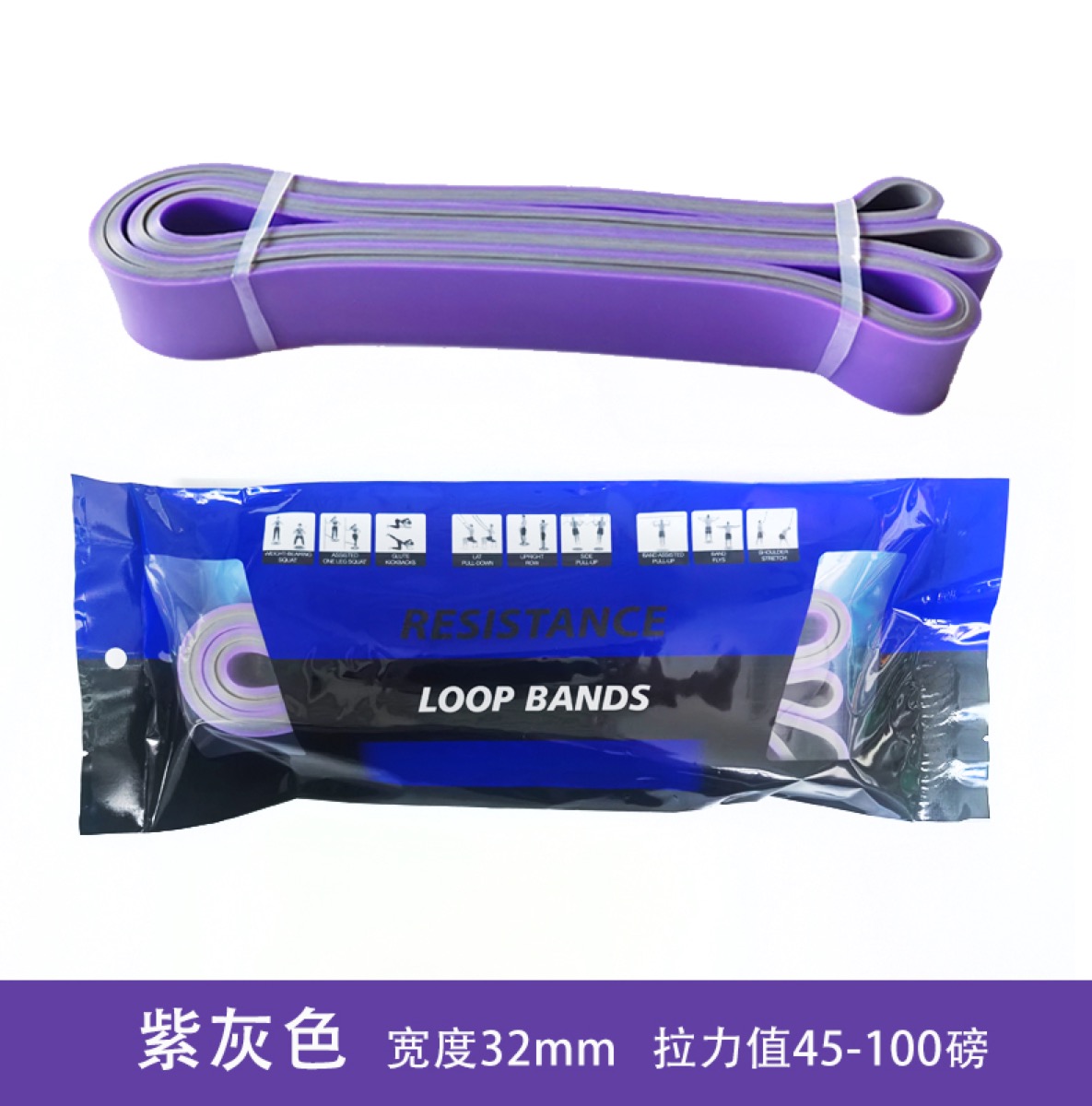
When Your Brand Says "USA": the Proximity Rule
Most private label packaging carries a US address, and a lot of brands put "Designed in California" or a city name in the logo. That triggers two extra rules:
- 19 CFR 134.46: if "United States", "American", "USA", any US city or state, or any foreign place other than the real origin appears on the article or its container in a way that could mislead, "Made in China" (or "Product of China") must appear "in close proximity" and "in at least a comparable size."
- 19 CFR 134.47: if the US reference is part of a trademark or trade name, the origin must be in close proximity or in some other conspicuous location. This is a little more forgiving, but still needs a clear mark.
In practice CBP reads "close proximity" as the same side or surface. So the place you print the US reference decides where the origin line goes.
| Artwork | Verdict | Fix |
|---|---|---|
| Box back: "Distributed by FitCo, Austin, TX 78701" in 9 pt; "Made in China" in 5 pt on the bottom flap | Fails 134.46: different surface, smaller size | Put "Made in China" on the line directly below the address, same 9 pt |
| Band printed "FITCO USA" with no origin on the band; origin only on the pouch | Fails: the US reference is on the band, so the mark must be too | Add "MADE IN CHINA" to the band print, or drop "USA" from the band |
| Pouch: "Made in PRC" under the brand | Fails: abbreviation not accepted (N262161) | "Made in China" |
| Pouch: grey "Made in China" in a repeating grey logo pattern | Fails: blind marking (N364355) | Contrasting colour, different orientation, clear space around it |
| Box back: "Designed in California. Made in China." same line, same size | Passes | — |
| Band with logo only (no place names); sealed box marked "Made in China" on the back panel | Passes for sealed retail sale | Mark the band too if any of the stock may be sold loose |
134.46 also covers foreign place names. A "German-engineered" claim or a "Swiss" product name on a China-made band needs the same "Made in China" line next to it. The FTC separately polices "Made in USA" claims (more below), so qualifiers like "Designed in" are a marketing question as well as a customs one.
Kits, Accessories and the "Made in USA" Trap
Band sets are rarely just bands. A tube kit has handles, a door anchor, ankle straps and a carry bag, and a brand might add a printed exercise card in the US. Three rules cover this:
- Each foreign component keeps its own origin. In HQ 084935, CBP made the Korean bag in a Canadian exercise kit carry its own "Made in Korea" label. If all your components come from our factory in China, a single "Made in China" on the kit box covers them. If you add a bag from Vietnam or straps from elsewhere, mark each one, or state each origin on the box, as EA did in N057998 ("Leg Strap Made in China. Resistance Band Made in Malaysia").
- US kitting doesn't change the origin. Putting finished bands in a box with a card is a minor process, not a substantial transformation. HQ 733188 reached the same conclusion for exercise benches that were actually assembled and logo-printed in the US. The bands stay "Made in China". CBP did accept the phrase "Made in Venezuela, assembled in the U.S." for those benches, so "Made in China, packed in the USA" is the honest model. If bulk bands are repacked at your 3PL, 134.26 applies.
- "Made in USA" is the FTC's call, and the bar is high. The FTC's Made in USA Labeling Rule (16 CFR 323) allows the claim only if final assembly or processing is in the US, all significant processing is in the US, and "all or virtually all" components are US-made and sourced. China-made bands in a US box never meet it. Civil penalties run up to $53,088 per violation under 16 CFR 1.98. An honest option: "Packed in the USA. Bands made in China."

What Getting It Wrong Costs
Marking failures don't show up as a dramatic seizure. They show up as cost, delay and a liability you didn't know you had.
| Consequence | Legal basis | Example: 20,000 mini-loop sets at $1.35 FOB ($27,000 entered value) |
|---|---|---|
| Marking duty | 19 U.S.C. 1304(i): 10% ad valorem, "shall not be remitted wholly or in part" | $2,700, on top of MFN and any Chapter 99 duties |
| Avoiding the duty | Mark under CBP supervision, export, or destroy before liquidation | Hand-labelling 100,000 bands or 20,000 boxes at a bonded warehouse, plus storage and missed launch dates |
| Redelivery demand | CBP can demand goods back after release if found unmarked | Stock already shipped to Amazon or retailers has to be recalled or marked in place |
| Removing or covering a mark | 19 U.S.C. 1304(l): criminal, if done to conceal origin | Up to $100,000 and/or 1 year (first conviction), $250,000 for repeat offences |
| False "Made in USA" | FTC Act + 16 CFR 323 | Up to $53,088 per violation |
The 1304(l) row matters to private label sellers more than it looks. A US warehouse team that covers "Made in China" with a brand sticker, or cuts off the hang tag "because it looks cheap", is doing exactly what the statute criminalises if the intent is to hide the origin. Put it in your 3PL's work instructions. For the wider liability picture, see our resistance band recalls, returns and liability guide.
Pre-Shipment Marking Checklist for Your PO
This is the list we suggest buyers attach to the purchase order and approve at the artwork stage, before anything is printed:
- Sales channel stated in writing (sealed retail, 3PL kitting, loose, giveaway). It decides everything else.
- Export cartons: "MADE IN CHINA" on at least two sides, alongside PO number, SKU, quantity and weights.
- Retail pack: "Made in China" on a panel the shopper reads, in a contrasting colour, at least the size of any US address on the same panel.
- Band print: if the band shows a US place name, "USA" or a foreign place name, "MADE IN CHINA" goes on the band next to it, at comparable size.
- Loose or giveaway bands: printed origin on the band, or an individually printed polybag, or a tied hang tag.
- No abbreviations: "China" or "P.R. China", never "PRC".
- Mixed-origin kits: list each component's country, and mark each foreign component or state all origins on the box.
- 3PL repacking: tell your broker before arrival so the 19 CFR 134.26 certificate goes on the entry, and give the 3PL written marking instructions.
- Pre-shipment inspection: add an origin-marking check to the inspection checklist and photograph every marked surface.
- Unusual case? Request a binding ruling. CBP rulings are free, and N364355 (yoga mats) was issued 17 days after the request letter.
If you're still building the brand, our private label resistance bands guide covers packaging choices and branding, and the resistance bands for Amazon FBA sellers guide covers the FBA prep side. Material test documents (RoHS, phthalates) are a separate file from origin marking; see resistance band compliance testing and certificates.
Frequently Asked Questions
Do resistance bands have to be marked "Made in China"?
Yes, unless an exception applies. 19 U.S.C. 1304 requires every imported article, or its container, to show the English name of the country of origin to the ultimate purchaser in the United States. For resistance bands sold in a sealed retail box or bag, marking the container is normally accepted under 19 CFR 134.32(d). Bands that reach the buyer loose, for example on a peg hook or as a giveaway, need the mark on the band itself or on a securely attached tag.
Is it enough to put "Made in China" on the box and not on the band?
Usually, if the band reaches the end buyer inside that box unopened. CBP's container exception in 19 CFR 134.32(d) covers articles whose container will reasonably indicate the origin. In ruling N057998, CBP applied it to resistance bands imported in bulk and repacked in the US, on condition that the cartons were marked and the importer signed the 19 CFR 134.26 repacking certificate. If the box is opened in the store, or the bands are sold individually, the box is not enough.
Can I write "Made in PRC" instead of "Made in China"?
No. CBP has repeatedly found that the abbreviation "PRC" is not an acceptable country of origin marking (see NY N262161, citing HQ 560693, HQ 562901 and HQ 727372). "Made in China" or "Made in P.R. China" is acceptable. 19 CFR 134.45 requires the full English name of the country unless CBP has authorised another form.
What happens if my resistance bands arrive in the US unmarked?
Under 19 U.S.C. 1304(i), unmarked goods attract an additional 10% ad valorem marking duty that cannot be remitted, unless they are marked under CBP supervision, exported or destroyed before liquidation. On a $27,000 entry that is $2,700, on top of normal duties, plus the labour, storage and delay of re-marking. Removing or covering a required mark with intent to conceal the origin is a criminal offence under 1304(l), with fines up to $100,000 for a first conviction.
My brand has a US address printed on the band. Does that change anything?
Yes. Under 19 CFR 134.46, if a US city, state, "USA" or "American" appears on the article or its container in a way that could mislead the buyer, "Made in China" must appear in close proximity and in at least a comparable size. CBP reads close proximity as the same surface, so a US address on the band itself means the origin mark goes on the band too, not only on the box.
If we put the bands into our own kits in the US, can we say Made in USA?
No. Packing finished bands into a box, adding handles or an exercise card is not a substantial transformation, so the origin stays China for customs purposes (compare HQ 733188, where US assembly of imported exercise bench parts did not make them US-origin). For a Made in USA claim, the FTC's rule (16 CFR 323) also requires that all or virtually all components are made and sourced in the US. Civil penalties are up to $53,088 per violation under the current inflation adjustment.
Sources: 19 U.S.C. 1304; 19 CFR 134.1, 134.26, 134.32, 134.34, 134.41, 134.44, 134.45, 134.46, 134.47; 16 CFR 323 and 16 CFR 1.98; CBP rulings NY N057998, NY 808082, NY N364355, HQ 084935, HQ 733188, NY N262161, NY N255018, NY N296410 (rulings.cbp.gov). Rulings apply only to the facts and parties named in them. This article is general information from a manufacturer, not legal advice.
Related Guides
- Importing resistance bands from China: HTS codes and landed cost
- Private label resistance bands: brand guide
- Resistance band sets packaging guide
- Resistance band quality control inspection checklist
- Resistance bands for commercial gyms
Request a Quote for Private Label Resistance Bands
Latex-free TPE mini loops and pull-up bands, extruded in-house in Danyang. Logo printing, custom colours and retail packaging, with origin marking checked against your sales channel before printing. MOQ 1,000 sets, samples in 3-5 days, FOB Ningbo.
Browse mini loop bands and pull-up bands.